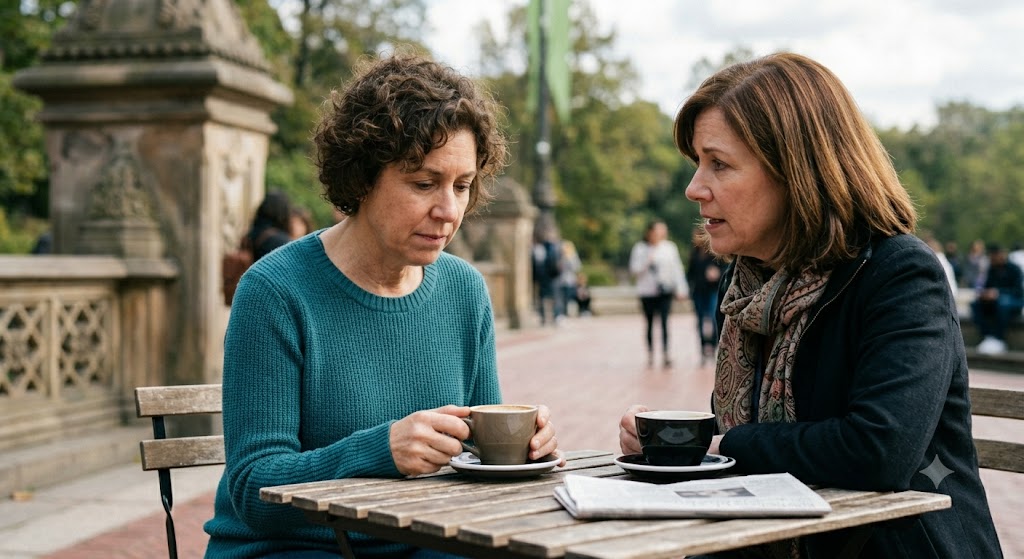
There is something I’d wager most people say to newly divorced people, or those getting divorced, that usually will not help the person going through the trauma, even if they don’t know it.
Saying these words when someone tells you they are divorced or getting divorced can actually send the wrong message, AND can make that person feel worse, even if they don’t realize it…this is the case even if you meant it sincerely and it comes from a place of love.
Society, culture and religion have classified divorce as taboo and stigmatized it for a long time, and those stigmas often play into emotions as one goes through divorce, so words are important.
Divorce is not easy, even when both parties amicably decide to split. If children are involved it can be even more difficult. Ranked as one of the most severe emotional stressors a person can experience, divorce is comparable to losing a spouse, PLUS more. Not only does one lose the actual person, but they are still alive, and there are no “rules” as to how to handle this.
The relationship also dies, and with that the shared future dreams, goals and identity (the “we”). Rejection, betrayal and the foray into the legal process, which can become highly conflicted, is enough to push anyone over the emotional edge.
With all that in mind, when you meet someone who tells you they are getting/got divorced, and say the words “I’m sorry!” it can perpetuate the stigma, have a profound effect on their emotional state, and can reinstate feelings like self-doubt, guilt or grief, to name a few. Most people need to take time after divorce to heal, accept the changes in life, and begin to rebuild, and sentiments can energize or debilitate.
Of course many people do not realize this, especially if they have not been divorced, and they say “I’m sorry” to mean they are sorry for what the person has to go through — and this is perfectly normal and happens all the time, so don’t feel badly about it. But moving forward, a more supportive response might be to ask how they are doing or if they need anything. You might say something like “that must be challenging — I hope you find your peace.” This response recognizes that the person may be going through a lot, but that there can be a light at the end of the tunnel and you support them. Of course if you are close to them you can offer to be there in other ways.
There is also a great way for the person receiving the “I’m sorry” words to respond. By saying “there’s no reason to be sorry” you assert your self-confidence and self-assurance that you will be alright, and that you will not only survive it, but thrive. When people told me they were sorry I divorced, I used to respond “don’t be — I’m not!” Although it was the toughest decision I ever made, I knew it was necessary for me to be truly happy, so although I knew that I had a long healing road, I let people know that I was not going to wilt on the vine of life. I welcomed the support but didn’t want anyone to feel sorry for me.
Words can make a big difference, but many of us don’t think about them before we utter them. In this case you can truly show support by what you say when someone says they’re getting divorced, and this can make a difference in someone’s emotional state and their overall healing journey. 🦋
(This blog appears as an article in an extended version on Medium)
 Ruby's Light